
logo
गर्म उत्पाद शीर्ष उत्पाद
हमारे बारे में
China Jixiang Siji Industrial Co., Ltd.
हमारे बारे में
Jixiang Siji Industrial Co., Ltd.
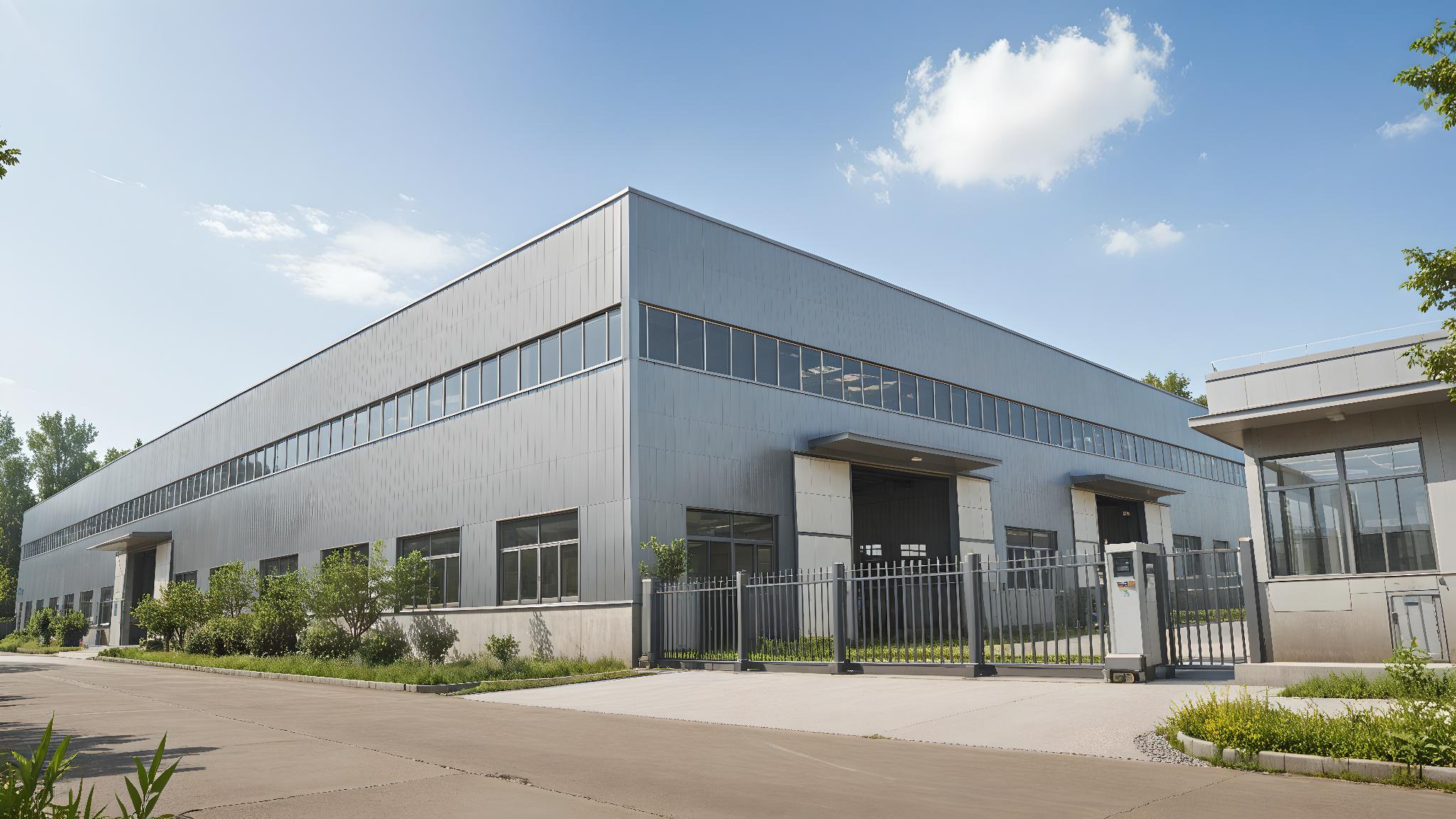
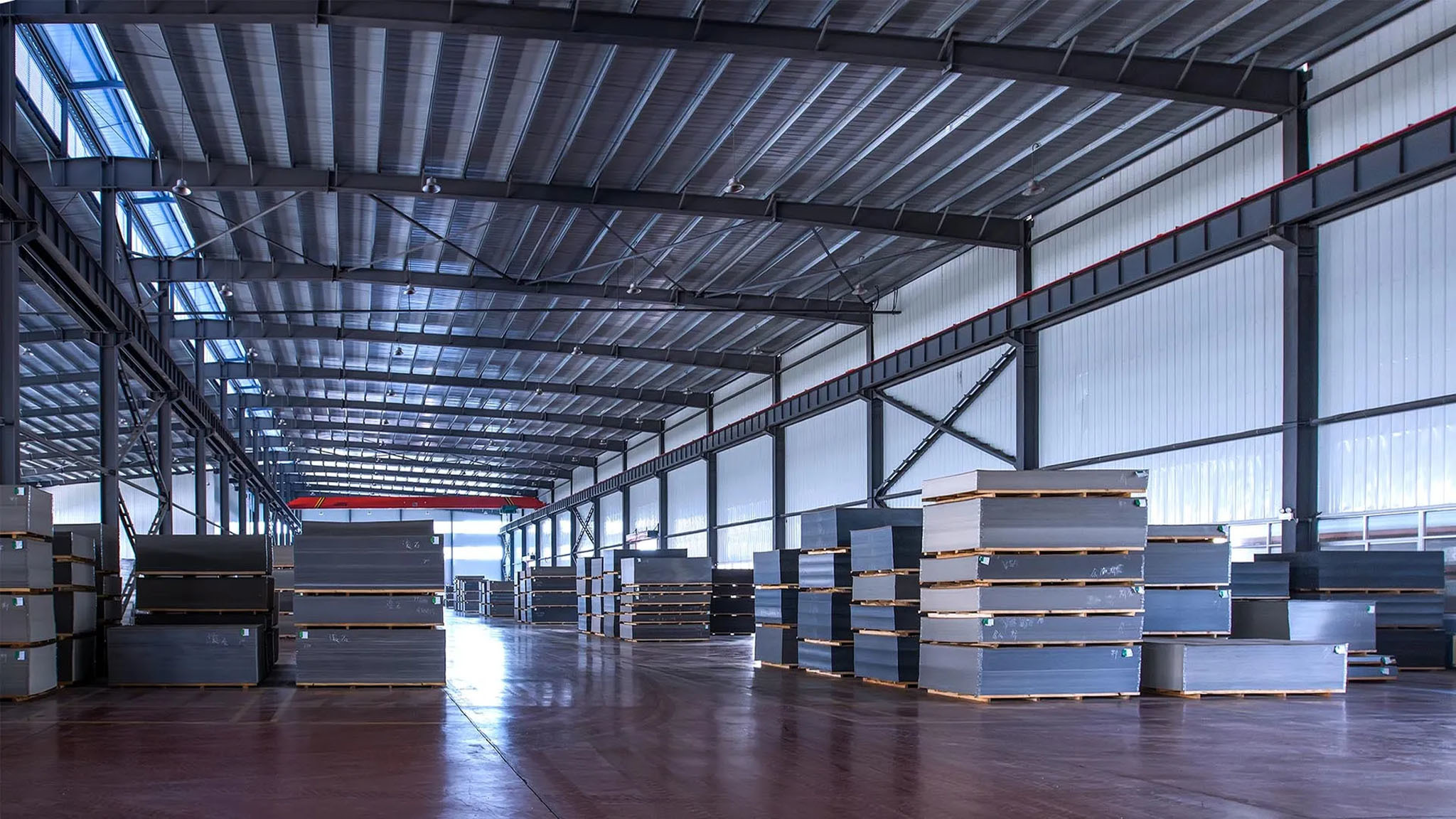
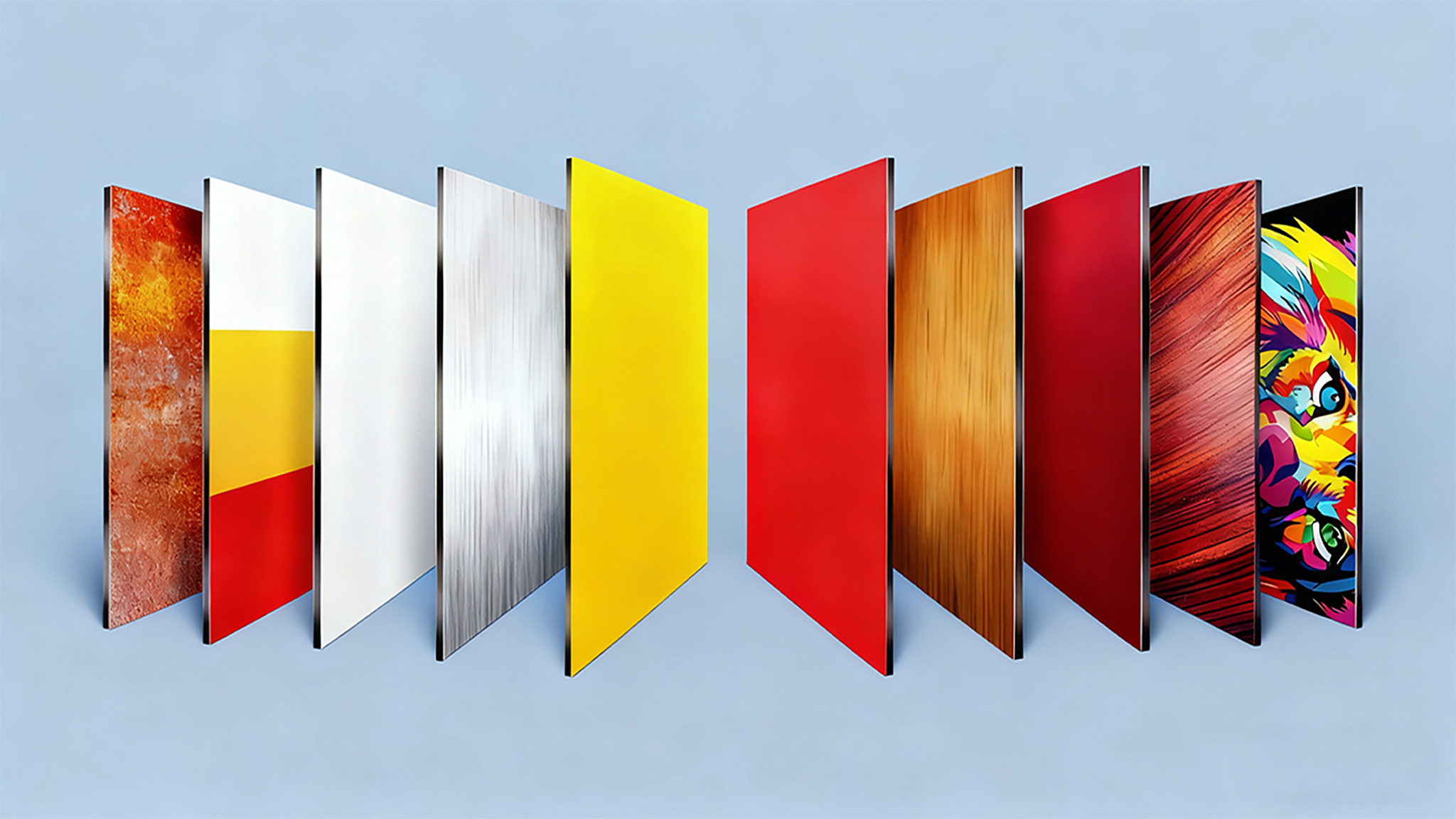
अलुशांग जिक्सियांग सिजी इंडस्ट्रियल कं, लिमिटेड के अंतर्गत एक ब्रांड है, जो गहरी प्रसंस्करण और बाहरी छिड़काव एल्यूमीनियम कम्पोजिट पैनल, फ़नीर, मधुमक्खी के छल्ले, तरंगीन पैनल,और छतें.पहले चरण का निवेश 30 मिलियन आरएमबी है, जिसमें 30000 वर्ग मीटर का कारखाना क्षेत्र है।सुविधाजनक परिवहन और एक उच्च गुणवत्ता वाले एल्यूमीनियम प्लेट संसाधन वितरण केंद्र के बगल में, अनुकूल समय, स्थान और लोगों के फायदे के मालिक हैं। अलुशांग मुख्य रूप से विभिन्न फ्लोरोकार्बन छिड़काव एल्यूमीनियम पैनल, पॉलिएस्टर-पकाया पेंट एल्...
अधिक पढ़ें
अनुरोध A उद्धरण
0+
वार्षिक बिक्री
0
वर्ष
ग्राहकों
0%
पी.सी.
0+
कर्मचारी
हम प्रदान
सबसे अच्छी सेवा!
आप हमसे विभिन्न तरीकों से संपर्क कर सकते हैं
हमसे संपर्क करें
Jixiang Siji Industrial Co., Ltd.

गुणवत्ता पीई एल्यूमीनियम समग्र पैनल & फायर रेटेड एल्यूमिनियम समग्र पैनल फैक्टरी

आयोजन
कंपनी के बारे में नवीनतम समाचार Common Facade Material Risks in Southeast Asia and How PVDF ACP Helps Reduce Them
Common Facade Material Risks in Southeast Asia and How PVDF ACP Helps Reduce Them

2026-06-30

/* Unique class name for encapsulation */ .gtr-container-f7h2k3 { font-family: Verdana, Helvetica, "Times New Roman", Arial, sans-serif; color: #333; line-height: 1.6; padding: 15px; max-width: 100%; box-sizing: border-box; } .gtr-container-f7h2k3 { background-color: transparent; } .gtr-container-f7h2k3 { border: none; outline: none; } .gtr-container-f7h2k3 .gtr-heading { font-size: 18px; font-weight: bold; margin-top: 25px; margin-bottom: 15px; color: #3176FF; text-align: left; } .gtr-container-f7h2k3 p { font-size: 14px; margin-bottom: 15px; text-align: left !important; } .gtr-container-f7h2k3 strong { font-weight: bold; color: #333; } .gtr-container-f7h2k3 ul { list-style: none !important; padding-left: 20px; margin-bottom: 15px; } .gtr-container-f7h2k3 ul li { position: relative; padding-left: 20px; margin-bottom: 8px; font-size: 14px; text-align: left; list-style: none !important; } .gtr-container-f7h2k3 ul li::before { content: "•" !important; position: absolute !important; left: 0 !important; color: #3176FF; font-size: 1.2em; line-height: 1; top: 0; } .gtr-container-f7h2k3 ol { list-style: none !important; padding-left: 25px; margin-bottom: 15px; } .gtr-container-f7h2k3 ol li { position: relative; padding-left: 25px; margin-bottom: 8px; font-size: 14px; text-align: left; list-style: none !important; } .gtr-container-f7h2k3 ol li::before { content: counter(list-item) "." !important; position: absolute !important; left: 0 !important; color: #3176FF; font-size: 1em; line-height: 1; top: 0; width: 1.5em; text-align: right; } .gtr-container-f7h2k3 .gtr-table-wrapper { width: 100%; overflow-x: auto; margin-bottom: 20px; } .gtr-container-f7h2k3 table { width: 100%; border-collapse: collapse !important; border-spacing: 0 !important; min-width: 600px; font-size: 14px; text-align: left; } .gtr-container-f7h2k3 th, .gtr-container-f7h2k3 td { border: 1px solid #ccc !important; padding: 10px !important; text-align: left !important; vertical-align: top !important; word-break: normal; overflow-wrap: normal; } .gtr-container-f7h2k3 th { font-weight: bold !important; background-color: #f0f0f0; color: #333; } .gtr-container-f7h2k3 tr:nth-child(even) { background-color: #f9f9f9; } .gtr-container-f7h2k3 tr:nth-child(odd) { background-color: #ffffff; } @media (min-width: 768px) { .gtr-container-f7h2k3 { padding: 25px 40px; max-width: 960px; margin: 0 auto; } .gtr-container-f7h2k3 .gtr-heading { font-size: 22px; margin-top: 30px; margin-bottom: 20px; } .gtr-container-f7h2k3 p { font-size: 14px; margin-bottom: 18px; } .gtr-container-f7h2k3 ul { padding-left: 25px; } .gtr-container-f7h2k3 ul li { padding-left: 25px; } .gtr-container-f7h2k3 ul li::before { font-size: 1.3em; } .gtr-container-f7h2k3 .gtr-table-wrapper { overflow-x: visible; } .gtr-container-f7h2k3 table { min-width: auto; } } Introduction: Southeast Asia Is Not a Mild Climate Every building material performs differently under stress — and Southeast Asia delivers stress in abundance. With equatorial UV indexes routinely exceeding 10, monsoon-season relative humidity above 85%, and coastal salt spray in most major cities, facade materials in the region face an accelerated aging environment that exposes weaknesses far sooner than temperate-zone specifications would predict. The purpose of this article is not to claim that any material eliminates these risks entirely — no material does. Rather, it is to examine the three most common failure modes observed in Southeast Asian facades, and explain how PVDF ACP makes these risks controllable, predictable, and manageable — not avoided, but engineered into acceptable bounds. Risk 1: Premature Fading Color fading is the most visible — and often the earliest — sign of facade material degradation in tropical climates. Under sustained high-UV exposure, organic pigments and resin binders in coating systems undergo photochemical breakdown. The result is a measurable shift in color that progresses from subtle to obvious within a few years. What drives accelerated fading in Southeast Asia: Year-round high solar irradiance (daily peak UV Index 10–12) with no winter respite Dark-colored facades absorb more thermal energy, accelerating pigment degradation Combined effect of UV + humidity creates hydrolytic pathways that break down coating resins faster than UV alone With standard polyester coatings, color shift (ΔE > 3) is commonly observed within 18–30 months in equatorial exposure. PVDF coatings, by contrast, leverage the carbon-fluorine bond — one of the strongest covalent bonds in organic chemistry — which is virtually inert to UV photolysis. Independent weathering studies consistently show PVDF retaining over 80% of original gloss and ΔE under 2 after a decade or more of Florida exposure, a standard proxy for tropical conditions. Risk 2: Surface Chalking Chalking is the progressive degradation of the coating surface into a loose, powdery residue. It occurs when the polymer matrix of the coating breaks down under UV attack, leaving exposed pigment particles that can be wiped off by hand. While chalking begins as a cosmetic issue, it signals deeper coating failure and accelerates further degradation by increasing surface porosity. Why chalking is particularly aggressive in the region: UV photo-oxidation of the coating binder is continuous, not seasonal Frequent heavy rainfall washes away degraded surface material, constantly exposing fresh layers to UV attack — a cyclic erosion process Once chalking begins, the roughened surface traps dirt and biological growth (mold, algae), compounding aesthetic degradation PVDF coatings resist chalking through the inherent chemical stability of the fluoropolymer backbone. Unlike polyester or acrylic resins that contain UV-sensitive ester or ether linkages, the fully fluorinated PVDF structure offers no reactive sites for photo-oxidation to attack. The result is a coating that maintains surface integrity for 15–20+ years even under continuous equatorial exposure. Risk 3: Delamination and Structural Instability Delamination — the separation of the aluminum skin from the polyethylene core — is the most serious of the three risks because it transitions from aesthetic concern to structural hazard. When moisture penetrates through a degraded or micro-cracked coating and reaches the bond interface between aluminum and core, it initiates progressive bond failure that can spread across entire panel sections. Contributing factors in Southeast Asian conditions: Persistent high humidity maintains a constant moisture drive across the coating barrier Thermal cycling (diurnal swings of 10–15°C on dark surfaces) creates differential expansion between aluminum skin and PE core, mechanically stressing the adhesive bond Coastal salt deposition accelerates corrosion at any exposed aluminum edge or coating breach PVDF ACP addresses delamination risk through two mechanisms. First, the superior long-term integrity of the PVDF coating maintains an effective moisture barrier far longer than alternative coatings, preventing the water ingress that initiates bond failure. Second, the dimensional stability of PVDF under thermal cycling reduces coating micro-cracking, preserving the barrier function across years of expansion-contraction cycles. The Risk Philosophy: Controllable, Not Avoided No facade material — including PVDF ACP — can guarantee zero degradation in Southeast Asian conditions. Coatings will weather, colors will shift, and surfaces will age. The engineering question is not whether these things happen, but at what rate, with what predictability, and with what consequence. Risk Standard Coating (Polyester) PVDF Coating Risk Reduction Fading (ΔE > 3) 18–30 months 10+ years (ΔE < 2) 4–6× longer service window Chalking Onset 2–4 years 15–20+ years 5–7× longer surface integrity Delamination Risk Elevated after 5–8 years Minimal within 15–20 year window Barrier integrity maintained 3× longer Predictability Variable — batch and exposure dependent Highly consistent — well-documented weathering data Engineering-grade predictability PVDF ACP does not eliminate these risks. It compresses them into a much longer, more predictable timeline — converting unknowns into knowns, and allowing project stakeholders to plan maintenance cycles with confidence rather than react to surprises. Conclusion In Southeast Asia's high-UV, high-humidity environment, facade material selection is fundamentally a risk management exercise. Premature fading, surface chalking, and delamination are not rare exceptions — they are predictable consequences of material choices made at specification stage. PVDF ACP cannot make these risks disappear, but it can make them slow, measurable, and manageable across a 15–20 year service window. For developers, architects, and contractors who value predictability over short-term savings, that distinction is the entire business case.
अधिक देखें
कंपनी के बारे में नवीनतम समाचार Why Color Consistency Matters in Large-Scale ACP Facade Projects: A Project Management Perspective
Why Color Consistency Matters in Large-Scale ACP Facade Projects: A Project Management Perspective

2026-06-30

/* Root container */ .gtr-container-x7y2z9 { font-family: Verdana, Helvetica, "Times New Roman", Arial, sans-serif; color: #333; line-height: 1.6; padding: 15px; box-sizing: border-box; } /* Headings (converted from h3) */ .gtr-container-x7y2z9 .gtr-heading-level3 { font-size: 18px; font-weight: bold; margin-top: 25px; margin-bottom: 15px; color: #3176FF; text-align: left; } /* Paragraphs */ .gtr-container-x7y2z9 p { font-size: 14px; margin-bottom: 1em; text-align: left !important; } /* Unordered List */ .gtr-container-x7y2z9 ul { list-style: none !important; padding-left: 20px; margin-bottom: 1em; } .gtr-container-x7y2z9 ul li { list-style: none !important; position: relative; padding-left: 20px; margin-bottom: 0.5em; font-size: 14px; text-align: left !important; } .gtr-container-x7y2z9 ul li::before { content: "•" !important; position: absolute !important; left: 0 !important; color: #3176FF; font-size: 1.2em; line-height: 1; } /* Ordered List */ .gtr-container-x7y2z9 ol { list-style: none !important; padding-left: 25px; margin-bottom: 1em; counter-reset: list-item; } .gtr-container-x7y2z9 ol li { display: list-item; list-style: none !important; position: relative; padding-left: 25px; margin-bottom: 0.5em; font-size: 14px; text-align: left !important; } .gtr-container-x7y2z9 ol li::before { content: counter(list-item) "." !important; position: absolute !important; left: 0 !important; color: #3176FF; font-size: 1em; line-height: 1; width: 1.5em; text-align: right; } /* Table styling */ .gtr-container-x7y2z9 .gtr-table-wrapper { width: 100%; overflow-x: auto; margin-top: 20px; margin-bottom: 20px; } .gtr-container-x7y2z9 table { width: 100%; border-collapse: collapse !important; border-spacing: 0 !important; font-size: 14px; min-width: 600px; } .gtr-container-x7y2z9 th, .gtr-container-x7y2z9 td { border: 1px solid #ccc !important; padding: 10px !important; text-align: left !important; vertical-align: top !important; word-break: normal; overflow-wrap: normal; } .gtr-container-x7y2z9 th { font-weight: bold !important; background-color: #f0f0f0; color: #333; } /* Zebra striping for table rows */ .gtr-container-x7y2z9 tbody tr:nth-child(even) { background-color: #f9f9f9; } /* Responsive design for PC */ @media (min-width: 768px) { .gtr-container-x7y2z9 { padding: 20px 40px; max-width: 960px; margin: 0 auto; } .gtr-container-x7y2z9 .gtr-heading-level3 { margin-top: 30px; margin-bottom: 20px; } .gtr-container-x7y2z9 .gtr-table-wrapper { overflow-x: visible; } .gtr-container-x7y2z9 table { min-width: auto; } } Introduction: The Hidden Challenge of Scale In small-scale facade projects, color consistency is rarely a concern — a single production batch covers the entire elevation, and the architect's specified RAL or Pantone reference is faithfully delivered. But when the project scales to tens of thousands of square meters across multiple buildings, zones, and installation phases, color consistency transforms from a quality checkmark into a project-level risk that demands proactive management. The reality of large-scale ACP facade construction introduces an unavoidable complexity: one facade, multiple batches, installed simultaneously across different zones by different crews. Without deliberate consistency management, what begins as a specification on paper can end as visible patchwork on the building. The Engineering Reality: Why Batches Differ Color variation between production batches is not a defect — it is a physical reality of industrial coating processes. Even with stringent quality control, the following factors introduce measurable variation: Coating Line Conditions: Slight variations in oven temperature profiles, line speed, and ambient humidity between production runs affect coating thickness, cure rate, and final surface reflectance — all of which influence perceived color. Raw Material Variation: Aluminum coil from different mill lots can exhibit subtle differences in surface texture and pretreatment response, altering how the coating bonds and reflects light. Pigment Dispersion: Even with precision metering equipment, pigment concentration in PVDF or polyester coatings can drift within tolerance bands (typically ±5%), producing ΔE values that are individually acceptable but visually cumulative across a large facade. Aging and Environmental Exposure: Panels from early batches installed months before later batches will have already begun their weathering journey, creating apparent color differences that are not manufacturing defects but differential aging effects. The Real Cost: Rework Risk and Schedule Impact When color inconsistency is discovered on-site — typically after multiple installation zones are complete — the consequences cascade through the project timeline and budget: Impact Area Description Typical Cost Multiplier Visual Inspection Failures Architect or client rejects installed panels due to visible color banding or patchwork appearance across zones — Panel Replacement Removing and replacing non-matching panels — requires new production, shipping, and reinstallation 3–5× original panel cost Schedule Delay Production lead time (4–8 weeks) plus reinstallation disrupts downstream trades and overall project milestones Penalty clauses, extended site overhead Reputational Damage A visibly inconsistent facade becomes a permanent advertisement of quality shortcomings for contractor and supplier alike Unquantifiable but lasting Dispute Resolution Assigning liability between coating supplier, panel fabricator, and installer consumes management resources and can lead to legal costs Variable, often substantial Consistency as a Project Management Discipline The most successful large-scale ACP projects treat color consistency not as a product specification to be verified on arrival, but as a project workflow to be managed from procurement through installation: Pre-Production Batch Planning: Map the total facade area against production capacity and determine the minimum number of batches required. Where possible, consolidate critical visible elevations into a single production run. Master Reference Panel: Establish a physical master panel signed off by all stakeholders before production begins. Every subsequent batch is compared against this single reference — not against the previous batch, which can allow gradual drift. Batch-to-Batch Measurement Protocol: Require colorimetry readings (L*a*b* values, ΔE) for each production batch against the master reference, with a defined rejection threshold (typically ΔE ≤ 1.0 for critical facades). Installation Zone Sequencing: Install panels from the same production batch within contiguous visual zones. Avoid mixing batches within a single elevation plane wherever possible. When transitions between batches are unavoidable, place them at architectural breaks (expansion joints, corners, floor lines) where the visual seam is naturally concealed. On-Site Dry Layout Verification: Before permanent fixing, conduct a dry layout of panels spanning the batch transition zone under natural daylight conditions. This 30-minute check can prevent weeks of rework. Conclusion Color consistency in large-scale ACP facade projects is fundamentally a project management challenge, not merely a product quality metric. While coating technology and factory QC are essential foundations, they cannot compensate for the absence of batch planning, installation sequencing, and on-site verification protocols. Contractors and specifiers who recognize this distinction — and invest in the management processes that bridge production and installation — deliver facades where color uniformity is not a pleasant surprise, but a planned outcome.
अधिक देखें
कंपनी के बारे में नवीनतम समाचार PVDF ACP vs Polyester ACP: Choosing the Right Material for Long-Term Southeast Asia Exterior Projects
PVDF ACP vs Polyester ACP: Choosing the Right Material for Long-Term Southeast Asia Exterior Projects

2026-06-30

/* Unique root container for encapsulation */ .gtr-container-acp789 { font-family: Verdana, Helvetica, "Times New Roman", Arial, sans-serif; color: #333; line-height: 1.6; padding: 15px; max-width: 100%; box-sizing: border-box; margin: 0 auto; } /* Headings - converted from h3 to p with class */ .gtr-container-acp789 .gtr-heading-acp789 { font-size: 18px; font-weight: bold; color: #3176FF; margin-top: 1.5em; margin-bottom: 1em; text-align: left; } /* Paragraph styling */ .gtr-container-acp789 p { font-size: 14px; margin-bottom: 1em; text-align: left; } /* Strong/bold text */ .gtr-container-acp789 strong { font-weight: bold; } /* Unordered list styling */ .gtr-container-acp789 ul { list-style: none !important; margin: 0 0 1em 0 !important; padding: 0 !important; } .gtr-container-acp789 ul li { list-style: none !important; position: relative; padding-left: 20px; margin-bottom: 0.5em; font-size: 14px; text-align: left; } .gtr-container-acp789 ul li::before { content: "•" !important; position: absolute !important; left: 0 !important; color: #3176FF; font-size: 1.2em; line-height: 1; top: 0; } /* Ordered list styling */ .gtr-container-acp789 ol { list-style: none !important; margin: 0 0 1em 0 !important; padding: 0 !important; counter-reset: list-item; /* Reset counter for ordered list */ } .gtr-container-acp789 ol li { list-style: none !important; position: relative; padding-left: 25px; /* Adjust for number width */ margin-bottom: 0.5em; font-size: 14px; text-align: left; counter-increment: none; /* Increment counter for each list item */ } .gtr-container-acp789 ol li::before { content: counter(list-item) "." !important; position: absolute !important; left: 0 !important; color: #3176FF; font-weight: bold; width: 20px; /* Fixed width for numbers */ text-align: right; top: 0; } /* Table wrapper for responsiveness */ .gtr-container-acp789 .gtr-table-wrapper { overflow-x: auto; margin-bottom: 1.5em; } /* Table styling */ .gtr-container-acp789 table { width: 100%; border-collapse: collapse; border-spacing: 0; min-width: 600px; /* Ensure table is wide enough to scroll on small screens */ } .gtr-container-acp789 th, .gtr-container-acp789 td { padding: 10px 15px; border: 1px solid #ccc !important; /* Enforce border */ text-align: left; vertical-align: top; font-size: 14px; line-height: 1.4; } .gtr-container-acp789 th { font-weight: bold; background-color: #f0f0f0; /* Light background for header */ color: #333; } /* Zebra striping for table rows */ .gtr-container-acp789 tbody tr:nth-child(even) { background-color: #f9f9f9; } /* Responsive adjustments for PC screens */ @media (min-width: 768px) { .gtr-container-acp789 { padding: 25px; max-width: 960px; /* Constrain width for better readability on large screens */ } .gtr-container-acp789 .gtr-heading-acp789 { font-size: 20px; } .gtr-container-acp789 table { min-width: auto; /* Remove min-width on larger screens */ } } Introduction: The Southeast Asia Climate Reality When specifying aluminum composite panels (ACP) for exterior projects in Southeast Asia, architects and contractors face a decision that goes far beyond datasheet comparisons. The region's unique climate — characterized by intense year-round UV radiation, monsoon-driven humidity exceeding 80%, and salt-laden coastal air — creates a testing ground where material performance is measured not in laboratory conditions, but in real-world endurance over years of exposure. The question is not simply "which ACP is better," but rather: which material aligns with your project's lifecycle expectations and risk tolerance? Understanding the Environmental Stress Factors Southeast Asia presents a uniquely aggressive combination of environmental stressors that accelerate facade material degradation: High UV Radiation: Proximity to the equator means consistently high UV index levels (often 10–12) throughout the year, causing rapid photo-degradation of organic coatings and resins. Persistent High Humidity: Average relative humidity of 75–85% promotes hydrolysis, mold growth, and adhesive bond deterioration in panel core materials. Thermal Cycling: Daily temperature swings between 25°C and 38°C, combined with direct solar gain on dark surfaces, subject panels to continuous expansion-contraction stress. Coastal Salinity: Many key Southeast Asian markets (Singapore, Bangkok, Jakarta, Manila, Ho Chi Minh City) are coastal, adding salt-spray corrosion to the degradation equation. Polyester ACP: The Short-Cycle Solution Polyester (PE) coated ACP has long been the entry-level choice for exterior cladding, valued primarily for its cost-effectiveness and wide availability. In controlled or mild climates, PE coatings can deliver satisfactory performance for 3–7 years before visible degradation sets in. However, under Southeast Asian conditions, the limitations become apparent much sooner: UV-Induced Chalking and Fading: Polyester resins contain ester bonds that are inherently susceptible to UV photolysis. Within 12–24 months of equatorial exposure, PE-coated panels typically exhibit measurable gloss reduction (often exceeding 50%) and visible color shift (ΔE > 3). Humidity-Driven Delamination Risk: Moisture ingress through micro-cracks in weathered PE coatings can reach the polyethylene core, compromising the bond between aluminum skin and core material. This is particularly critical in buildings without adequate overhang or drip-edge protection. Short Maintenance Cycle: Projects relying on PE ACP in high-exposure Southeast Asian environments should budget for recoating or panel replacement within 5–8 years — a cost that can erase initial material savings. Best-fit applications for Polyester ACP in Southeast Asia: temporary structures, interior partitions, signage with limited exterior exposure, low-rise buildings with substantial shade, and projects with planned short lifecycles (under 5 years) where initial budget is the primary constraint. PVDF ACP: Engineered for Endurance Polyvinylidene fluoride (PVDF) coatings represent a fundamentally different approach to exterior durability. The carbon-fluorine bond — one of the strongest in organic chemistry — provides inherent resistance to UV degradation, chemical attack, and environmental weathering that polyester chemistry cannot match. Key performance advantages in Southeast Asian conditions: Superior UV Resistance: PVDF coatings routinely retain over 80% of original gloss after 10+ years of equatorial exposure. The fluoropolymer backbone is virtually inert to UV photolysis, meaning color stability (ΔE typically under 2) is maintained far longer than with PE alternatives. Moisture Barrier Integrity: PVDF's low surface energy and chemical stability create an effective long-term moisture barrier. Even after years of monsoon exposure, the coating resists hydrolysis and maintains its protective function against core delamination. Extended Service Life: Buildings clad with PVDF ACP in Southeast Asia typically require only cleaning maintenance for 15–20+ years before any recoating consideration — delivering substantially lower total cost of ownership when lifecycle is factored in. Self-Cleaning Properties: The low surface energy of PVDF also reduces dirt adhesion, helping facades maintain their appearance through seasonal rain washing — a practical advantage in regions with frequent rainfall. Comparative Summary Factor Polyester ACP PVDF ACP UV Resistance Moderate — fades within 2–3 years Excellent — 10+ years color stability Humidity Tolerance Limited — delamination risk after 5–8 years High — maintains barrier integrity long-term Typical Service Life (SE Asia) 5–8 years 15–20+ years Maintenance Cycle Recoat/replace every 5–8 years Cleaning only for 15+ years Initial Material Cost Lower Higher Lifecycle Cost (20yr TCO) Higher (incl. replacement cycles) Lower (single installation) Ideal Project Type Short-cycle, non-critical facade Long-term, engineering-stability priority The Decision Framework: Project Cycle × Risk Tolerance In Southeast Asian markets, the choice between Polyester and PVDF ACP is rarely about material grade hierarchy. Instead, it is a function of two intersecting variables: Project Lifecycle Expectation: Is this a 3-year pop-up commercial space or a 30-year institutional landmark? The longer the intended service period, the more the PVDF premium becomes a necessity rather than an option. Risk Tolerance Profile: What is the consequence of premature facade degradation? For a retail kiosk, faded panels are a cosmetic nuisance. For a corporate headquarters or luxury condominium, they represent reputational damage and potential safety liabilities. For project stakeholders operating in Southeast Asia, the engineering-first approach means evaluating these two factors honestly — and recognizing that the "cheaper" PE option may carry hidden lifecycle costs that only become visible under the region's unforgiving sun and rain. Conclusion There is no universally correct answer to the PVDF vs Polyester ACP question — only the answer that best fits your project's specific context. In Southeast Asia, where climate accelerates every degradation mechanism, the decision is ultimately a risk management calculation. Short-cycle, budget-driven projects with low failure consequence can be well-served by Polyester ACP. Projects where long-term facade integrity is non-negotiable should default to PVDF. The key is to make this choice consciously, with full awareness of the environmental realities that Southeast Asia brings to every exterior surface.
अधिक देखें
कंपनी के बारे में नवीनतम समाचार दक्षिण पूर्व एशिया मुखौटा परियोजनाओं के लिए पीवीडीएफ एल्युमीनियम कम्पोजिट पैनल: एक इंजीनियरिंग चयन गाइड
दक्षिण पूर्व एशिया मुखौटा परियोजनाओं के लिए पीवीडीएफ एल्युमीनियम कम्पोजिट पैनल: एक इंजीनियरिंग चयन गाइड

2026-06-30

/* Unique root container for encapsulation */ .gtr-container-f8k2p5q9 { font-family: Verdana, Helvetica, "Times New Roman", Arial, sans-serif; color: #333; line-height: 1.6; padding: 15px; box-sizing: border-box; } /* Main title styling */ .gtr-container-f8k2p5q9 .gtr-title { font-size: 18px; font-weight: bold; color: #3176FF; margin-top: 0; margin-bottom: 1.5em; text-align: left !important; } /* Section title styling */ .gtr-container-f8k2p5q9 .gtr-section-title { font-size: 16px; font-weight: bold; color: #3176FF; margin-top: 2em; margin-bottom: 1em; text-align: left !important; } /* Paragraph styling */ .gtr-container-f8k2p5q9 p { font-size: 14px; margin-bottom: 1em; text-align: left !important; line-height: 1.6; word-break: normal; overflow-wrap: normal; } /* Unordered list styling */ .gtr-container-f8k2p5q9 ul { margin: 1em 0; padding-left: 20px; list-style: none !important; } .gtr-container-f8k2p5q9 ul li { position: relative; padding-left: 15px; margin-bottom: 0.5em; list-style: none !important; font-size: 14px; } .gtr-container-f8k2p5q9 ul li::before { content: "•" !important; position: absolute !important; left: 0 !important; color: #3176FF; font-size: 1.2em; line-height: 1; top: 0; } /* Ordered list styling */ .gtr-container-f8k2p5q9 ol { margin: 1em 0; padding-left: 25px; list-style: none !important; } .gtr-container-f8k2p5q9 ol li { position: relative; padding-left: 20px; margin-bottom: 0.5em; list-style: none !important; font-size: 14px; } .gtr-container-f8k2p5q9 ol li::before { content: counter(list-item) "." !important; position: absolute !important; left: 0 !important; color: #3176FF; font-weight: bold; width: 20px; text-align: right; top: 0; } /* Responsive adjustments for PC */ @media (min-width: 768px) { .gtr-container-f8k2p5q9 { padding: 20px 40px; max-width: 960px; margin: 0 auto; } } क्यों पीवीडीएफ एल्यूमिनियम कम्पोजिट पैनल दक्षिण पूर्व एशिया मुखौटा परियोजनाओं पर हावी हो रहे हैं: एक इंजीनियरिंग चयन गाइड दक्षिण पूर्व एशिया की उष्णकटिबंधीय जलवायु, जो निरंतर यूवी विकिरण, उच्च सापेक्ष आर्द्रता और तटीय नमक स्प्रे की विशेषता है, वास्तुशिल्प लिफाफे के लिए गंभीर चुनौतियां पेश करती है। वियतनाम, थाईलैंड और फिलीपींस जैसे क्षेत्रों में परियोजना मालिकों, मुखौटा इंजीनियरों और बी2बी खरीद प्रबंधकों के लिए, सामग्री का चयन सीधे परियोजना जीवनचक्र लागत को निर्धारित करता है। विभिन्न सामग्रियों के बीच, पीवीडीएफ (पॉलीविनाइलिडीन फ्लोराइड) एल्युमीनियम कम्पोजिट पैनल (एसीपी) ऊंची-ऊंची पर्दे की दीवारों और वाणिज्यिक पहलुओं के लिए उद्योग मानक के रूप में उभरे हैं। यह मार्गदर्शिका पीवीडीएफ एसीपी चयन के पीछे इंजीनियरिंग तर्क को तोड़ती है, संरचनात्मक स्थायित्व के लिए महत्वपूर्ण जोखिम नियंत्रण और प्रदर्शन अंतर्दृष्टि प्रदान करती है। बाज़ार पृष्ठभूमि: उष्णकटिबंधीय जलवायु का स्थापत्य प्रभाव दक्षिण पूर्व एशिया में, अग्रभाग लगातार 35 डिग्री सेल्सियस से अधिक परिवेश के तापमान और तीव्र पराबैंगनी जोखिम के अधीन होते हैं। मानक पॉलिएस्टर (पीई) कोटिंग्स इन परिस्थितियों में तेजी से खराब हो जाती हैं, जिससे कुछ वर्षों के भीतर चॉकिंग, माइक्रो-क्रैकिंग और गंभीर रंग फीका पड़ जाता है। इसके अलावा, भारी मानसूनी बारिश और उच्च आर्द्रता के लंबे समय तक संपर्क में रहने से रासायनिक अपक्षय में तेजी आती है, जिससे पैनल कोर और कोटिंग बॉन्डिंग से समझौता होने पर प्रदूषण का खतरा होता है। नतीजतन, क्षेत्रीय बिल्डिंग कोड और टियर-1 ठेकेदार इन तत्वों को झेलने में सक्षम उच्च प्रदर्शन वाले बाहरी आवरण को सख्ती से अनिवार्य करते हैं। लक्षित दर्शक और अनुप्रयोग परिदृश्य: जहां जोखिम शमन सबसे अधिक मायने रखता है विशिष्ट उच्च जोखिम वाले अनुप्रयोगों के लिए पीवीडीएफ एसीपी का चयन महत्वपूर्ण है: ऊंची-ऊंची व्यावसायिक इमारतें: पर्दे वाली दीवारें जहां स्थापना के बाद रखरखाव या पैनल प्रतिस्थापन में अत्यधिक लागत और तार्किक कठिनाइयां शामिल होती हैं। बुनियादी ढाँचा और सार्वजनिक केंद्र: हवाई अड्डे, पारगमन स्टेशन और सरकारी परिसरों को 15 से 20 वर्षों से अधिक की प्रमाणित सेवा जीवन की आवश्यकता होती है। तटीय विकास: तटीय रेखाओं के पास स्थित शहरी परियोजनाएं, जिनमें क्लोराइड-प्रेरित संक्षारण और वायुमंडलीय नमक स्प्रे के लिए उन्नत प्रतिरोध की आवश्यकता होती है। बी2बी खरीदारों और डेवलपर्स के लिए, सही पैनल विनिर्देश चुनना केवल सौंदर्यशास्त्र के बारे में नहीं है; यह संरचनात्मक जोखिम नियंत्रण में एक अभ्यास है। हमारा समाधान: अधिकतम स्थायित्व के लिए इंजीनियर्ड पीवीडीएफ एसीपी उष्णकटिबंधीय अपक्षय का प्रतिकार करने के लिए, हमारा कारखाना उन्नत 70 प्रतिशत किनार 500 या हिलर 5000 पीवीडीएफ फ्लोरोपॉलीमर राल कोटिंग प्रणाली का उपयोग करता है। इस रासायनिक संरचना में अत्यधिक स्थिर कार्बन-फ्लोरीन बंधन होते हैं जो यूवी क्षरण का विरोध करते हैं, लंबे समय तक सौर विकिरण के तहत रंग की अखंडता और चमक बनाए रखते हैं। हमारी विनिर्माण प्रक्रिया कठोर वातावरण के लिए इंजीनियर किए गए मजबूत भौतिक गुणों को सुनिश्चित करती है: कुल पैनल मोटाई: 4.0 मिमी या 5.0 मिमी। यह संरचनात्मक कठोरता और पवन-भार प्रतिरोध को अनुकूलित करता है। एल्युमीनियम त्वचा की मोटाई: 0.40 मिमी या 0.50 मिमी (AA3003 या AA5005 का उपयोग करके)। यह तेल-कैनिंग को रोकता है और सपाट सतह सुनिश्चित करता है। कोटिंग परत की मोटाई: 25 माइक्रोन से अधिक या उसके बराबर (2-कोट या 3-कोट प्रणाली)। यह रासायनिक संक्षारण के विरुद्ध दीर्घकालिक अवरोध प्रदान करता है। ग्लॉस रिटेंशन: AAMA 2605 मानकों को पूरा करता है। यह 15 से अधिक वर्षों में न्यूनतम रंग परिवर्तन की गारंटी देता है। उच्च श्रेणी के एल्यूमीनियम मिश्र धातुओं का उपयोग करके, हमारे पैनल इष्टतम तन्यता ताकत और थर्मल स्थिरता प्रदान करते हैं, उष्णकटिबंधीय दोपहर के सूरज और अचानक बारिश के बीच तेजी से तापमान में उतार-चढ़ाव के कारण होने वाले संरचनात्मक तनाव को अवशोषित करते हैं। क्लाइंट केस और फ़ील्ड फीडबैक: वास्तविक-विश्व प्रदर्शन ऑन-साइट प्रदर्शन डेटा इन इंजीनियरिंग विकल्पों की पुष्टि करता है। हाइफोंग, वियतनाम में एक प्रमुख वाणिज्यिक उच्च-वृद्धि लिफाफा परियोजना ने हाल ही में तटीय आर्द्रता और उच्च यूवी सूचकांकों के वर्षों के संपर्क के बाद अपने बाहरी आवरण का ऑडिट किया। तकनीकी निरीक्षण में ब्लिस्टरिंग के शून्य लक्षण, इंटरफेस पर शून्य प्रदूषण और स्वीकार्य संरचनात्मक सीमाओं के भीतर रंग विचलन की सूचना दी गई। प्रोजेक्ट इंजीनियरिंग टीम ने नोट किया कि 0.50 मिमी पीवीडीएफ विनिर्देश के साथ 4 मिमी का उपयोग करने से वैकल्पिक सामग्रियों की तुलना में उनके दीर्घकालिक भवन रखरखाव बजट में काफी कमी आई है। निष्कर्ष: दीर्घकालिक मुखौटा आरओआई का अनुकूलन सही बाहरी क्लैडिंग का चयन करने के लिए दीर्घकालिक रखरखाव देनदारियों के खिलाफ अग्रिम खरीद लागत को संतुलित करने की आवश्यकता होती है। पीवीडीएफ एल्यूमिनियम कम्पोजिट पैनल दक्षिण पूर्व एशिया की जलवायु की मांग के लिए तकनीकी रूप से मजबूत समाधान प्रदान करते हैं, रंग स्थिरता, संक्षारण प्रतिरोध और संरचनात्मक विश्वसनीयता प्रदान करते हैं। प्रमाणित इंजीनियरिंग सुरक्षा और विस्तारित सेवा जीवनचक्र की आवश्यकता वाली व्यावसायिक परियोजनाओं के लिए, सत्यापित पीवीडीएफ कोटिंग तकनीक में निवेश करना वास्तुशिल्प संपत्तियों की सुरक्षा का सबसे सुरक्षित रास्ता है।
अधिक देखें
कंपनी के बारे में नवीनतम समाचार तकनीकी अंतर्दृष्टिः दक्षिण एशियाई उच्च यूवी मुखौटे के तहत लकड़ी के अनाज के लिए सामग्री चयन गाइड
तकनीकी अंतर्दृष्टिः दक्षिण एशियाई उच्च यूवी मुखौटे के तहत लकड़ी के अनाज के लिए सामग्री चयन गाइड

2026-06-08

.gtr-container-f5h7k9m2 { font-family: Verdana, Helvetica, "Times New Roman", Arial, sans-serif; color: #333; line-height: 1.6; padding: 16px; max-width: 100%; box-sizing: border-box; margin: 0; } .gtr-container-f5h7k9m2 p { font-size: 14px; margin-bottom: 1em; text-align: left !important; word-break: normal; overflow-wrap: normal; } .gtr-container-f5h7k9m2 .gtr-title { font-size: 18px; font-weight: bold; color: #3176FF; margin-bottom: 1.5em; text-align: left; } .gtr-container-f5h7k9m2 .gtr-subtitle { font-size: 16px; font-weight: bold; color: #333; margin-top: 2em; margin-bottom: 1em; text-align: left; } .gtr-container-f5h7k9m2 .gtr-sub-subtitle { font-size: 14px; font-weight: bold; color: #555; margin-top: 1.5em; margin-bottom: 0.8em; text-align: left; } .gtr-container-f5h7k9m2 ul { list-style: none !important; padding-left: 20px; margin-bottom: 1em; margin-top: 0; } .gtr-container-f5h7k9m2 ul li { position: relative; padding-left: 20px; margin-bottom: 0.8em; font-size: 14px; text-align: left !important; list-style: none !important; } .gtr-container-f5h7k9m2 ul li::before { content: "•" !important; position: absolute !important; left: 0 !important; color: #3176FF; font-size: 16px; line-height: 1.6; } .gtr-container-f5h7k9m2 strong { font-weight: bold; } @media (min-width: 768px) { .gtr-container-f5h7k9m2 { padding: 24px; max-width: 960px; margin: 0 auto; } .gtr-container-f5h7k9m2 .gtr-title { font-size: 20px; } .gtr-container-f5h7k9m2 .gtr-subtitle { font-size: 18px; } } तकनीकी अंतर्दृष्टि: दक्षिण पूर्व एशियाई उच्च-यूवी मुखौटा जलवायु के तहत लकड़ी के अनाज एसीपी के लिए सामग्री चयन गाइड वियतनाम, फिलीपींस और मलेशिया जैसे कम अक्षांश वाले दक्षिण पूर्व एशियाई क्षेत्रों में, वास्तुशिल्प पहलू लगातार उच्च आर्द्रता, ऊंचे तापमान और तीव्र पराबैंगनी (यूवी) विकिरण की वैकल्पिक स्थितियों के संपर्क में आते हैं। इसके सड़ने की संवेदनशीलता, दीमक लगने और उच्च रखरखाव लागत के कारण असली लकड़ी को तेजी से वुड ग्रेन एल्युमीनियम कम्पोजिट पैनल (एसीपी) द्वारा प्रतिस्थापित किया जा रहा है। हालाँकि, वर्षों तक तीव्र उष्णकटिबंधीय सूर्य के संपर्क में रहने के कारण लकड़ी के अनाज के अग्रभागों को मुरझाने, बदरंग होने या चटकने से रोकना परियोजना सामग्री के चयन में एक महत्वपूर्ण तकनीकी चुनौती बनी हुई है। यह इंजीनियरिंग गाइड तीन आयामों से विश्लेषण करेगा - सतह सामग्री विज्ञान, कोटिंग मोटाई, और परीक्षण मानक - पैरामीट्रिक नियंत्रण के माध्यम से बाहरी लकड़ी के अनाज पैनलों के दीर्घकालिक रंग प्रतिधारण को कैसे सुनिश्चित किया जाए। सामग्री चयन के लिए मुख्य तकनीकी पैरामीटर उच्च सामग्री विश्वसनीयता के लिए वस्तुनिष्ठ आधार स्थापित करने के लिए, बाहरी दीवार का चयन निम्नलिखित तकनीकी सीमाओं के साथ सख्ती से मेल खाना चाहिए: पीवीडीएफ सामग्री:70% से अधिक या उसके बराबर (पॉलीविनाइलिडीन फ्लोराइड / किनार 500)। तंत्र: यूवी फोटोकैमिकल गिरावट का विरोध करने के लिए आणविक बंधनों को लॉक करता है। कोटिंग की मोटाई:25 माइक्रोमीटर से अधिक या उसके बराबर (डबल या ट्रिपल कोटेड प्रक्रिया)। तंत्र: कटाव और चॉकिंग के खिलाफ भत्ता प्रदान करता है। एल्यूमीनियम मिश्र धातु ग्रेड:AA3003 या AA5005 (जंग प्रतिरोधी मैंगनीज/मैग्नीशियम मिश्र धातु)। तंत्र: उच्च वायु भार के तहत लचीली कठोरता सुनिश्चित करता है। अपक्षय मानक:एएसटीएम जी154 या आईएसओ 4892-2 के अनुरूप। तंत्र: बिना दरार के हजारों घंटे के यूवी/संघनन चक्र का अनुकरण करता है। 70% पीवीडीएफ कोटिंग उष्णकटिबंधीय पहलुओं के लिए "कठिन मानक" क्यों है? राल रासायनिक बांड और यूवी प्रतिरोध सौर स्पेक्ट्रम में उच्च-ऊर्जा पराबैंगनी किरणें, विशेष रूप से यूवी-ए और यूवी-बी बैंड, मानक पॉलिएस्टर (पीई) कोटिंग्स में बहुलक रासायनिक बंधन को तोड़ देते हैं। इससे मैक्रोमोलेक्यूलर श्रृंखला विखंडन और क्षरण होता है, जो मैक्रोस्कोपिक रूप से बाहरी दीवारों पर धुंधले और सफेद लकड़ी के दाने की बनावट के रूप में प्रकट होता है। 70% फ़्लोरोकार्बन (पीवीडीएफ) रेज़िन कोटिंग्स रंग स्थिरता बनाए रखने का कारण पॉलीविनाइलिडीन फ़्लोराइड में निहित अत्यंत स्थिर फ़्लोरीन-कार्बन बॉन्ड (एफसी बॉन्ड) में निहित है। बंधन ऊर्जा 485 kJ/mol तक है, जो तीव्र उष्णकटिबंधीय यूवी विकिरण की फोटॉन ऊर्जा से काफी अधिक है। नतीजतन, कम-अक्षांश उच्च-विकिरण स्थितियों के तहत, पीवीडीएफ कोटिंग प्रभावी ढंग से फोटोकैमिकल क्षरण का प्रतिरोध करती है, जो यूवी विनाश से थर्मल ट्रांसफर या रोलर कोटिंग द्वारा बनाई गई अंतर्निहित लकड़ी अनाज स्याही परत की रक्षा करती है। चॉकिंग के विरुद्ध 25 माइक्रोमीटर कोटिंग मोटाई का तकनीकी महत्व सतह के कटाव और शारीरिक टूट-फूट को सहन करना फोटोकैमिकल प्रतिक्रियाओं के अलावा, दक्षिण पूर्व एशिया के तटीय वातावरण में बार-बार आने वाले तूफान, भारी बारिश और हवा से उड़ने वाली रेत पैनल की सतह पर निरंतर निस्तब्धता और शारीरिक टूट-फूट का कारण बनती है। यदि कोटिंग बहुत पतली है, तो सतह की परत प्रारंभिक यूवी उम्र बढ़ने के बाद चाक बनने की अत्यधिक संभावना है, और बारिश के पानी से धुल जाएगी, जिससे आंतरिक लकड़ी के अनाज की स्याही सीधे उजागर हो जाएगी। बाहरी लकड़ी के दाने एसीपी की कुल सतह कोटिंग की मोटाई 25 माइक्रोमीटर या उससे अधिक पर नियंत्रित की जानी चाहिए। निरंतर उच्च तापमान रोलर कोटिंग और एक सुरक्षात्मक स्पष्ट कोट की मल्टी-पास प्रक्रिया का उपयोग मुखौटा के लिए पर्याप्त भौतिक ढाल प्रदान करता है। यहां तक ​​कि लंबे समय तक वैकल्पिक आर्द्र-गर्मी और बारिश/रेत के कटाव के अधीन रहने पर भी, कोटिंग के सूक्ष्म-स्तरीय प्राकृतिक वार्षिक नुकसान से इसके सेवा जीवन के भीतर मुख्य लकड़ी के दाने की परत को नुकसान नहीं होगा, जिससे सतह के प्रदूषण और स्थानीय रंग भिन्नता से बचा जा सकेगा। निष्कर्ष और इंजीनियरिंग चयन सलाह दक्षिण पूर्व एशिया में मल्टी-टोनल लकड़ी अनाज मुखौटा परियोजनाओं के लिए आपूर्ति श्रृंखला बोली में, तकनीकी संचालन और खरीद टीमों को पतले पीई-लेपित पैनलों का उपयोग करने से बचना चाहिए जो केवल आंतरिक सजावट मानकों को पूरा करते हैं। 70% पीवीडीएफ राल सामग्री के पैरामीट्रिक बंद-लूप, न्यूनतम 25 माइक्रोमीटर कुल कोटिंग मोटाई, और एए3003 जैसे उच्च-प्रदर्शन बेस मिश्र धातुओं को लॉक करके, आधुनिक वास्तुशिल्प अग्रभाग अत्यधिक उष्णकटिबंधीय जलवायु का सामना करते हुए उच्च स्तर की समतलता और दृश्य स्थिरता बनाए रख सकते हैं।
अधिक देखें
कंपनी के बारे में नवीनतम मामला स्केल और डिलिवरी: उच्च-मात्रा वाली परियोजनाओं के लिए विश्वसनीय मार्बल एसीपी आपूर्ति
स्केल और डिलिवरी: उच्च-मात्रा वाली परियोजनाओं के लिए विश्वसनीय मार्बल एसीपी आपूर्ति

2026-04-02

.gtr-container-g7h2k4 { font-family: Verdana, Helvetica, "Times New Roman", Arial, sans-serif; color: #333; padding: 15px; line-height: 1.6; font-size: 14px; max-width: 100%; box-sizing: border-box; } .gtr-container-g7h2k4 p { margin-bottom: 1em !important; text-align: left !important; font-size: 14px !important; } .gtr-container-g7h2k4 strong { font-weight: bold !important; color: #0000FF !important; } .gtr-container-g7h2k4__heading { font-size: 18px !important; font-weight: bold !important; color: #0000FF !important; margin-bottom: 1.5em !important; text-align: left !important; } .gtr-container-g7h2k4 ul { list-style: none !important; padding-left: 25px !important; margin-bottom: 1em !important; } .gtr-container-g7h2k4 ul li { position: relative !important; margin-bottom: 8px !important; padding-left: 15px !important; line-height: 1.6 !important; text-align: left !important; list-style: none !important; } .gtr-container-g7h2k4 ul li::before { content: "•" !important; position: absolute !important; left: 0 !important; color: #0000FF !important; font-size: 16px !important; top: 0px !important; line-height: 1.6 !important; } .gtr-container-g7h2k4 ul li p { margin-bottom: 0 !important; list-style: none !important; } .gtr-container-g7h2k4 ol { list-style: none !important; padding-left: 30px !important; margin-bottom: 1em !important; } .gtr-container-g7h2k4 ol li { position: relative !important; margin-bottom: 8px !important; padding-left: 25px !important; line-height: 1.6 !important; text-align: left !important; list-style: none !important; } .gtr-container-g7h2k4 ol li::before { content: counter(list-item) "." !important; position: absolute !important; left: 0 !important; color: #0000FF !important; font-weight: bold !important; font-size: 14px !important; width: 20px !important; text-align: right !important; top: 0px !important; line-height: 1.6 !important; } .gtr-container-g7h2k4 ol li p { margin-bottom: 0 !important; list-style: none !important; } @media (min-width: 768px) { .gtr-container-g7h2k4 { padding: 25px; max-width: 800px; margin: 0 auto; } .gtr-container-g7h2k4__heading { font-size: 18px !important; } } पैमाना और वितरणः उच्च मात्रा की परियोजनाओं के लिए विश्वसनीय संगमरमर की आपूर्ति 1बड़े पैमाने पर निर्माण के लिए विश्वसनीय आपूर्तिवियतनाम और इंडोनेशिया के तेजी से बढ़ते निर्माण बाजारों में परियोजना की समयसीमा स्थिर सामग्री आपूर्ति पर निर्भर करती है।बड़ी मात्रा में उत्पादन करने वाले कारखाने का चयन करना महंगी देरी से बचने का सबसे अच्छा तरीका है. 2हमारी ताकत: लगातार उच्च क्षमता का उत्पादनवेन काउंटी, हेनान में स्थित, हमारी विनिर्माण सुविधा उच्च दक्षता उत्पादन के लिए समर्पित हैः निरंतर उत्पादन:हमारी लाइनें घरेलू और अंतर्राष्ट्रीय बाजारों की मांगों को संतुलित करने के लिए उच्च कारोबार दर पर काम करती हैं। वॉल्यूम-तैयारःहम आधुनिक मुखौटे के लिए आवश्यक संरचनात्मक मानकों को बनाए रखते हुए बड़े पैमाने पर आदेशों (हजारों वर्ग मीटर) को संभालने के लिए सुसज्जित हैं। 3उच्च दक्षता वाले रसद और शिपिंग क्षमताहम परियोजना आवश्यकताओं को पूरा करने के लिए एक कठोर दैनिक लोडिंग कार्यक्रम बनाए रखते हैंः दैनिक बेड़े का परिचालन:हमारे कारखाने के द्वार पर भारी-भरकम परिवहन की निरंतर गतिविधि हमारे मजबूत दैनिक उत्पादन और विश्वसनीय रसद का प्रत्यक्ष प्रतिबिंब है। सुरक्षित लोडिंगःहमारी टीम यह सुनिश्चित करती है कि प्रत्येक पैलेट लंबी दूरी की सीमा पार पारगमन के लिए पेशेवर रूप से सुदृढ़ हो, चाहे वह सड़क या समुद्री कंटेनर द्वारा हो। प्रत्यक्ष कारखाना निर्यात:उत्पादन मंजिल से लेकर लोडिंग डॉक तक सब कुछ प्रबंधित करके, हम अपने ग्राहकों को प्रत्यक्ष मूल्य निर्धारण और स्पष्ट वितरण खिड़कियां प्रदान करते हैं। 4सक्रिय कारखाने के साथ साझेदारी का लाभ सिद्ध बाजार विश्वास:उच्च शिपिंग मात्रा उत्पाद प्रतिस्पर्धात्मकता और कारखाने की विश्वसनीयता का सबसे ईमानदार संकेतक है। स्केलेबल समाधान:हम पेशेवर बिल्डरों की वास्तविक जरूरतों के अनुरूप व्यावहारिक, उच्च प्रदर्शन वाली संगमरमर एसीपी (3 मिमी/4 मिमी) प्रदान करते हैं।
अधिक देखें
कंपनी के बारे में नवीनतम मामला [केस स्टडी] ए2 फायर-रेटेड मार्बल एसीपी: तटीय परियोजनाओं के लिए 9.0N/mm पील स्ट्रेंथ
[केस स्टडी] ए2 फायर-रेटेड मार्बल एसीपी: तटीय परियोजनाओं के लिए 9.0N/mm पील स्ट्रेंथ

2026-04-02

.gtr-container-mfg456 { font-family: Verdana, Helvetica, "Times New Roman", Arial, sans-serif; color: #333; line-height: 1.6; padding: 15px; box-sizing: border-box; max-width: 100%; overflow-x: hidden; } .gtr-container-mfg456-main-title p { font-size: 18px; font-weight: bold; color: #0000FF; margin-top: 0; margin-bottom: 20px; text-align: left !important; } .gtr-container-mfg456-section-heading p { font-size: 16px; font-weight: bold; color: #333; margin-top: 25px; margin-bottom: 15px; text-align: left !important; } .gtr-container-mfg456 p { font-size: 14px; margin-bottom: 10px; text-align: left !important; word-break: normal; overflow-wrap: normal; } .gtr-container-mfg456 strong { font-weight: bold; color: #0000FF; } .gtr-container-mfg456 ul { list-style: none !important; padding-left: 0; margin-top: 10px; margin-bottom: 10px; } .gtr-container-mfg456 ul li { position: relative; padding-left: 20px; margin-bottom: 8px; font-size: 14px; text-align: left; list-style: none !important; } .gtr-container-mfg456 ul li::before { content: "•" !important; color: #0000FF; font-size: 14px; position: absolute !important; left: 0 !important; top: 0; line-height: 1.6; } .gtr-container-mfg456 ul li p { margin: 0; font-size: 14px; text-align: left !important; list-style: none !important; } @media (min-width: 768px) { .gtr-container-mfg456 { padding: 25px; } } [केस स्टडी] A2 फायर-रेटेड मार्बल एसीपी: तटीय परियोजनाओं के लिए 9.0N/mm पील स्ट्रेंथ तकनीकी विश्लेषण: उच्च आर्द्रता वाले वातावरण में डेलैमिनेशन को हल करना 1. दक्षिण पूर्व एशिया में चुनौती वियतनाम और इंडोनेशिया जैसे तटीय क्षेत्रों में, उच्च आर्द्रता (आरएच >80%) और नमक का छिड़काव अक्सर पारंपरिक एसीपी को छीलने या फीका करने का कारण बनता है। बी2बी खरीदारों को एक ऐसे समाधान की आवश्यकता है जो संरचनात्मक विफलता के बिना मानसून के मौसम में जीवित रहे। 2. हमारा समाधान: A2 ग्रेड मार्बल एसीपी हमने एक विशेष मार्बल एल्यूमीनियम कम्पोजिट पैनल (एसीपी) को इंजीनियर किया है जो कोर स्थिरता और कोटिंग अखंडता को प्राथमिकता देता है: गैर-दहनशील कोर: >90% अकार्बनिक खनिज सामग्री (A2 ग्रेड)। सुरक्षात्मक कोटिंग: 20 साल के यूवी प्रतिरोध के लिए 25um - 28um PVDF (Kynar 500)। दृश्य स्थिरता: डेल्टा ई के साथ बैच-नियंत्रित मार्बल पैटर्न= 9.0 N/mm (7.0 N/mm उद्योग मानक से अधिक)। नमक स्प्रे प्रतिरोध: शून्य जंग के साथ 500 घंटे का ASTM B117 परीक्षण पास किया। सतह की कठोरता: >= 2H खरोंच प्रतिरोध। 4. अपनी परियोजना के लिए इसे क्यों चुनें? सुरक्षा: ऊंची इमारतों के अग्नि कोड का अनुपालन करता है। स्थायित्व: कठोर उष्णकटिबंधीय और तटीय जलवायु के लिए डिज़ाइन किया गया। दक्षता: प्राकृतिक पत्थर की तुलना में 60% हल्का, स्थापना समय और संरचनात्मक भार को कम करता है।
अधिक देखें
कंपनी के बारे में नवीनतम मामला एल्यूमीनियम मिश्रित पैनल प्रदर्शन विविधीकरण
एल्यूमीनियम मिश्रित पैनल प्रदर्शन विविधीकरण

2026-01-18

.gtr-container-fgh789 { font-family: Verdana, Helvetica, "Times New Roman", Arial, sans-serif; color: #333; line-height: 1.6; padding: 15px; box-sizing: border-box; } .gtr-container-fgh789 ul { list-style: none !important; margin: 0; padding: 0; } .gtr-container-fgh789 li { list-style: none !important; position: relative; padding-left: 25px; margin-bottom: 15px; font-size: 14px; text-align: left; color: #444; } .gtr-container-fgh789 li::before { content: "•" !important; position: absolute !important; left: 0 !important; top: 0; color: #007bff; /* Industrial blue accent */ font-size: 18px; line-height: 1.6; } .gtr-container-fgh789 .gtr-highlight-text { font-weight: bold; font-size: 16px; color: #222; } @media (min-width: 768px) { .gtr-container-fgh789 { padding: 25px 40px; } .gtr-container-fgh789 li { margin-bottom: 20px; font-size: 15px; } .gtr-container-fgh789 li::before { font-size: 20px; } .gtr-container-fgh789 .gtr-highlight-text { font-size: 18px; } } प्रदर्शन विविधीकरण:इमारतों के मुखौटे से लेकर अंतरिक्ष और गहरे समुद्र जैसे चरम वातावरण तक मूल्य विविधता:एक सुरक्षात्मक कार्य से ऊर्जा उत्पादक, एक कार्बन सिंक वाहक, और एक डेटा इंटरफ़ेस। जीवन चक्र बुद्धिःडिजिटल पासपोर्ट के माध्यम से पूर्ण चक्र की ट्रेसेबिलिटी और सामग्रियों के प्रबंधन को प्राप्त करना मानवतावादी सहानुभूति को बढ़ाना:गतिशील बातचीत के माध्यम से सार्वजनिक स्थानों के सांस्कृतिक सामंजस्य को मजबूत करना
अधिक देखें
कंपनी के बारे में नवीनतम मामला बाहरी दीवार पर आवरण और भवन के मुखौटे के लिए 4 मिमी अग्निरोधी पीवीडीएफ एसीपी पैनल
बाहरी दीवार पर आवरण और भवन के मुखौटे के लिए 4 मिमी अग्निरोधी पीवीडीएफ एसीपी पैनल

2026-01-17

/* एन्कैप्सुलेशन के लिए अद्वितीय वर्ग */ .gtr-container-f8d1e7 { font-family: Verdana, Helvetica, "Times New Roman", Arial, sans-serif; color: #333; line-height: 1.6; padding: 15px; max-width: 100%; box-sizing: border-box; text-align: left; } /* शीर्षक स्टाइलिंग */ .gtr-container-f8d1e7 .gtr-title { font-size: 18px; font-weight: bold; margin-bottom: 20px; color: #0056b3; text-align: left; } /* सूची स्टाइलिंग */ .gtr-container-f8d1e7 ul { list-style: none !important; padding-left: 25px !important; margin: 0 0 15px 0 !important; } .gtr-container-f8d1e7 ul li { position: relative !important; margin-bottom: 10px !important; padding-left: 15px !important; text-align: left !important; font-size: 14px !important; list-style: none !important; } /* मुख्य अवर्गीकृत सूची आइटम के लिए कस्टम बुलेट */ .gtr-container-f8d1e7 ul li::before { content: "•" !important; position: absolute !important; left: 0 !important; color: #0056b3 !important; font-size: 16px !important; line-height: 1.6 !important; } /* नेस्टेड सूची स्टाइलिंग */ .gtr-container-f8d1e7 ul ul { margin-top: 5px !important; margin-bottom: 5px !important; padding-left: 20px !important; } /* नेस्टेड सूची आइटम के लिए कस्टम बुलेट */ .gtr-container-f8d1e7 ul ul li::before { content: "–" !important; color: #555 !important; font-size: 14px !important; } /* सूची आइटम में प्रमुख शर्तें */ .gtr-container-f8d1e7 strong { font-weight: bold !important; color: #333 !important; } /* पीसी के लिए रिस्पॉन्सिव समायोजन */ @media (min-width: 768px) { .gtr-container-f8d1e7 { padding: 25px; max-width: 900px; margin: 0 auto; } .gtr-container-f8d1e7 .gtr-title { font-size: 20px; } } एल्यूमीनियम कंपोजिट पैनल पर्दे की दीवारों की स्थापना के लिए आवश्यक सामग्री पैनल:एल्यूमीनियम कंपोजिट पैनल (एसीपी), आमतौर पर 4 मिमी मोटा (0.5 मिमी एल्यूमीनियम शीट + 3 मिमी पॉलीइथिलीन/माइक्रोनाइज्ड फाइबर कोर + 0.5 मिमी एल्यूमीनियम शीट)। सहायक ढांचा:आमतौर पर एल्यूमीनियम मिश्र धातु प्रोफाइल (कॉलम, बीम) या स्टील प्रोफाइल (बड़ी अवधि के लिए) से बना होता है, यह कनेक्टिंग घटकों के माध्यम से मुख्य संरचना से जुड़ा होता है। कनेक्शन सिस्टम: किनारे का निर्धारण:आमतौर पर, बोर्ड के मुड़े हुए किनारे को फ्रेम से जोड़ने के लिए एल्यूमीनियम कॉर्नर ब्लॉक (कान) और बोल्ट (डूबे हुए सिर या फ्लैट हेड) का उपयोग किया जाता है। पैनल सीम उपचार:वाटरप्रूफ सीलिंग के लिए सीलेंट (मौसम प्रतिरोधी सिलिकॉन सीलेंट) का उपयोग करें, और इसके साथ फोम बैकिंग स्ट्रिप्स का उपयोग भी किया जा सकता है। इंसुलेशन सिस्टम:इंसुलेशन सामग्री (जैसे रॉक वूल, ग्लास वूल) से फ्रेमवर्क की गुहा को भरें, और अंदर की तरफ एक वाटरप्रूफ सांस लेने योग्य झिल्ली और एक बैकशीट (जैसे गैल्वेनाइज्ड स्टील प्लेट, एल्यूमीनियम प्लेट) स्थापित करें। सहायक सामग्री:गैस्केट, इंसुलेटिंग गैस्केट (इलेक्ट्रोकेमिकल जंग को रोकने के लिए), आदि शामिल हैं।
अधिक देखें
कंपनी के बारे में नवीनतम मामला बाहरी और आंतरिक दीवार क्लैडिंग सामग्री के निर्माण के लिए एल्यूमीनियम मिश्रित पैनल
बाहरी और आंतरिक दीवार क्लैडिंग सामग्री के निर्माण के लिए एल्यूमीनियम मिश्रित पैनल

2026-01-14

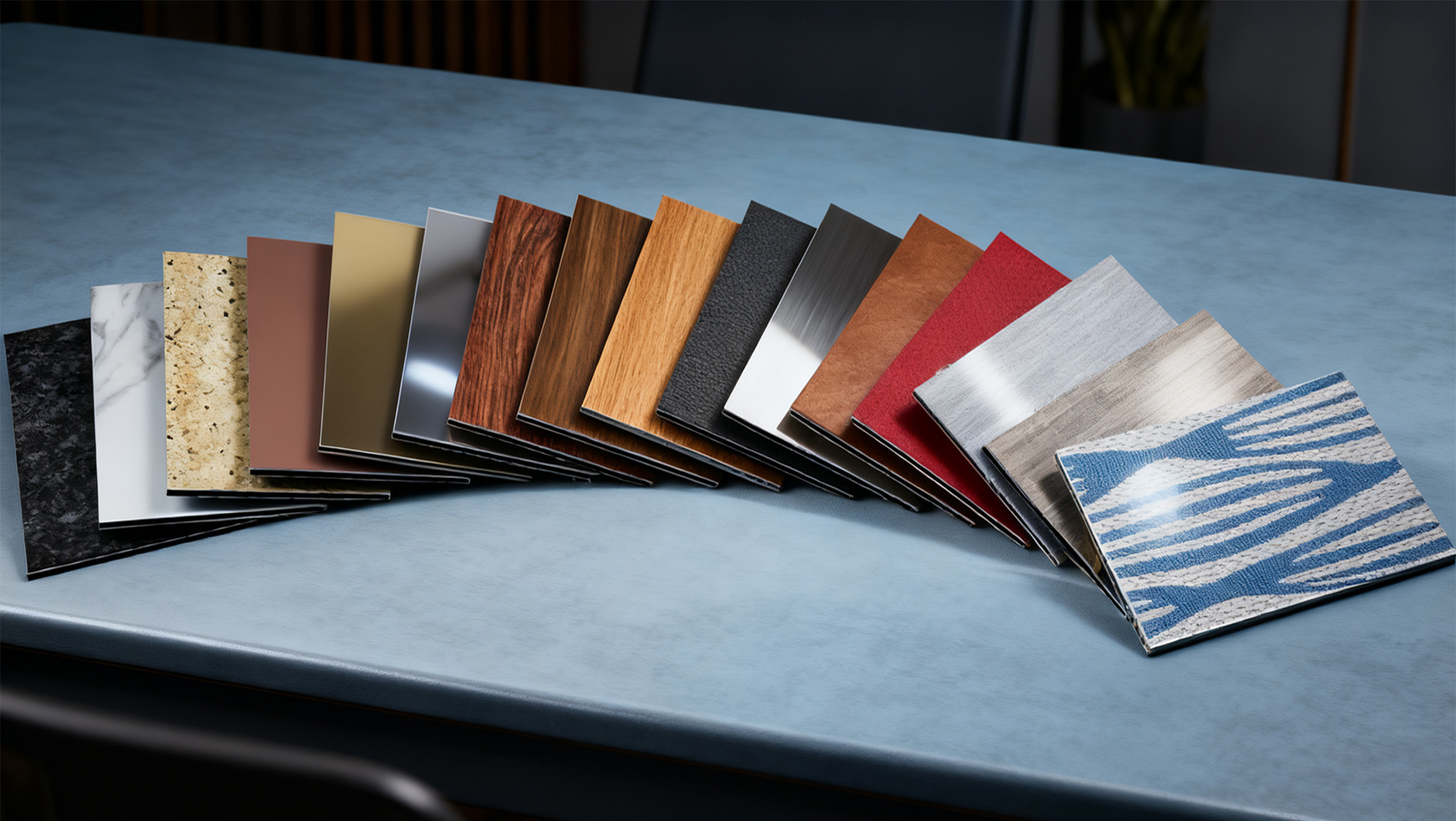
.gtr-container-7f8g9h { font-family: Verdana, Helvetica, "Times New Roman", Arial, sans-serif; color: #333; line-height: 1.6; padding: 20px; max-width: 960px; margin: 0 auto; box-sizing: border-box; } .gtr-container-7f8g9h p { font-size: 14px; margin-bottom: 1em; text-align: left !important; word-break: normal; overflow-wrap: normal; } .gtr-container-7f8g9h .gtr-heading-main { font-size: 18px; font-weight: bold; margin-bottom: 1.2em; color: #0056b3; text-align: left; } .gtr-container-7f8g9h .gtr-heading-sub { font-size: 18px; font-weight: bold; margin-top: 1.5em; margin-bottom: 1em; color: #0056b3; text-align: left; } .gtr-container-7f8g9h .gtr-reason-list { list-style: none !important; padding-left: 0; margin-left: 25px; margin-bottom: 1em; counter-reset: list-item; } .gtr-container-7f8g9h .gtr-reason-list li { list-style: none !important; position: relative; margin-bottom: 1em; padding-left: 25px; text-align: left; } .gtr-container-7f8g9h .gtr-reason-list li::before { content: counter(list-item) "." !important; position: absolute !important; left: 0 !important; font-weight: bold; color: #0056b3; width: 20px; text-align: right; } .gtr-container-7f8g9h .gtr-reason-title { font-weight: bold; font-size: 14px; color: #333; } @media (min-width: 768px) { .gtr-container-7f8g9h { padding: 30px 40px; } } सार्वजनिक स्थल/सामुदायिक स्थल के लिए किस प्रकार की निर्माण दीवार सामग्री उपयुक्त है? गतिशील और अद्वितीय आउटडोर या इनडोर सार्वजनिक स्थान बनाना कोई चुनौती नहीं है। इन स्थानों का उद्देश्य समुदाय को संलग्न करना और शैक्षिक और मनोरंजक अवसरों को बढ़ावा देना है।A2 या B1 की अग्नि प्रतिरोधक रेटिंग वाले लौ प्रतिरोधी एल्यूमीनियम कम्पोजिट पैनल आदर्श विकल्प हैं. क्यों? एक कारणःसार्वजनिक स्थानों में लोगों का अधिक प्रवाह होता है और अग्नि सुरक्षा के लिए अत्यधिक उच्च आवश्यकताएं होती हैं।A2 ग्रेड (गैर-ज्वलनशील) या B1 ग्रेड (ज्वलनशीलता के लिए कठिन) बोर्डों का कोर लौ retardant खनिज कोर (जैसे खनिज से भरा) का उपयोग करता है, हेलोजन मुक्त कम धुएं वाली लौ retardant सामग्री) आग के संपर्क में आने पर वे दहन में प्रभावी ढंग से देरी कर सकते हैं और विषाक्त धुएं को कम कर सकते हैं,इस प्रकार कर्मियों के निकासी और अग्नि बचाव के लिए कीमती समय की खरीद. एक और कारणःइस प्रकार के पैनल में आमतौर पर मोटी उच्च-गुणवत्ता वाली एल्यूमीनियम प्लेट (जैसे 4-सीरीज एल्यूमीनियम आमतौर पर बाहरी पर्दे की दीवारों में उपयोग किया जाता है) और मजबूत कोर सामग्री को अपनाया जाता है।इसकी समग्र कठोरता और घूंघट और खरोंच के प्रतिरोध में वृद्धि हुई है, और सार्वजनिक स्थानों पर उच्च तीव्रता के उपयोग और सामयिक टकराव का सामना कर सकते हैं। तीसरा कारण:विविध रंग और बनावट: हम विभिन्न डिजाइन शैलियों को पूरा करने के लिए किसी भी आरएएल रंग, धातु रंग, लकड़ी के अनाज की नकल, पत्थर के अनाज की नकल और कई अन्य रंग और पैटर्न प्रदान कर सकते हैं।यह बड़े पैमाने पर, निर्बाध और निरंतर दृश्य प्रभाव, एक मजबूत आधुनिक महसूस के साथ। एल्यूमीनियम कम्पोजिट पैनलों ने सफलतापूर्वक "सजावटी सौंदर्यशास्त्र", "निर्माण सुविधा" और "दीर्घकालिक स्थायित्व" को मिलाया है, जो वास्तुकारों और संपत्ति मालिकों को एक कुशल,अवधारणा से लेकर कार्यान्वयन तक विश्वसनीय और आर्थिक समाधान. दिलचस्प, मुझे किसी भी समय फोन.
अधिक देखें

Jixiang Siji Industrial Co., Ltd.
बाजार वितरण
map map 30% 40% 22% 8%
map
ग्राहक क्या कहते हैं?
पीटर एवियन
मैं पूरी तरह से उनके व्यावसायिकता और ग्राहक सेवा से प्रभावित था, उत्पाद की गुणवत्ता लगातार उत्कृष्ट है, मेरी उम्मीदों से अधिक, बहुत सुंदर
डायलन जेय
गुणवत्ता और अच्छी कीमतें. सिफारिश आपूर्तिकर्ता,बहुत विश्वसनीय!!!
किसी भी समय हमसे संपर्क करें!